TRUMPF TruLaser 3040 fiber vs Bystronic ByCut 4020
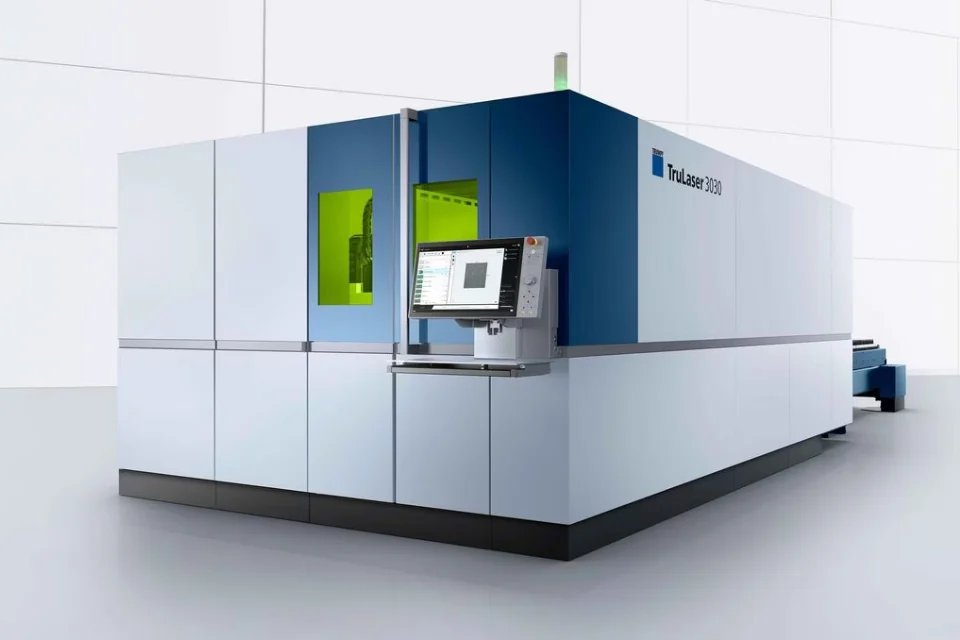
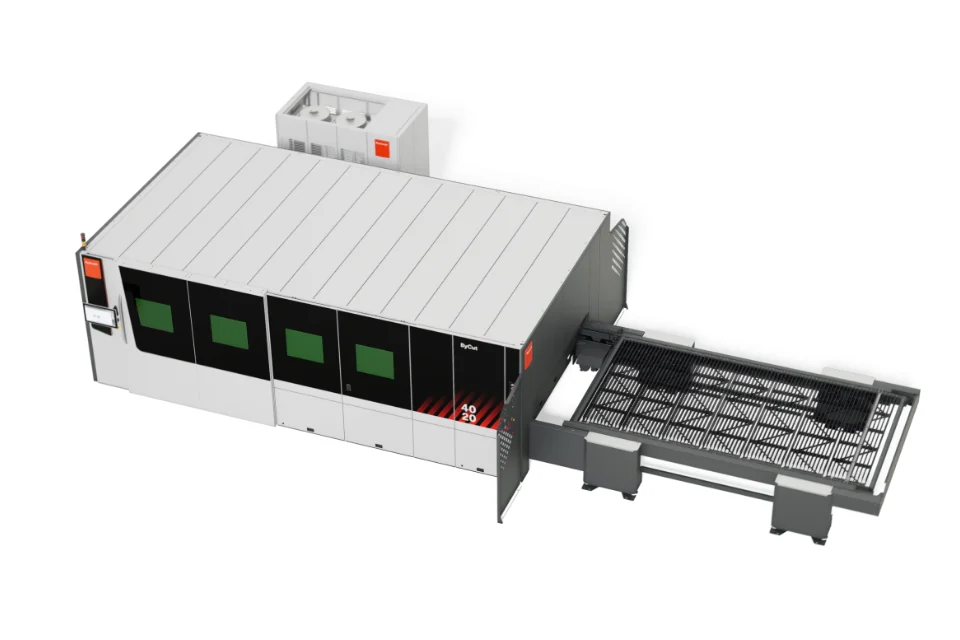
TRUMPF TruLaser 3040 fiber and Bystronic ByCut 4020 have the same published working area, 4,000 × 2,000 mm, and the same positioning speed of 170 m/min.
| Specification | TRUMPF TruLaser 3040 fiber | Bystronic ByCut 4020 | Difference |
|---|---|---|---|
| Machine layout | Exchange table | Not provided | |
| Working length (X) | 4,000 mm | 4,000 mm | Same |
| Working width (Y) | 2,000 mm | 2,000 mm | Same |
| Laser power | 6 / 9 / 12 / 24 kW | 3–30 kW | |
| Max. thickness, mild steel | 40 mm | Not provided | |
| Max. thickness, stainless steel | 40 mm | 50 mm | 10 mm |
| Max. thickness, aluminium | 40 mm | Not provided | |
| Maximum positioning speed | 170 m/min | 170 m/min | Same |
| Maximum sheet weight | 2,000 kg | 1,900 kg | 100 kg |
| Source | trumpf.com, 27 October 2026 | bystronic.com, 27 October 2026 |
What differs
Bystronic ByCut 4020 offers the larger top source, 30 kW against 24 kW, and is rated for thicker stainless steel at that power (50 mm against 40 mm).
TRUMPF also publishes maximum thicknesses for mild steel (40 mm) and aluminium (40 mm); Bystronic does not publish these for the ByCut 4020.
Sheet loads are close: 2,000 kg and 1,900 kg. TRUMPF states an exchange table; Bystronic does not publish the table type for this model.
How this page was made
- Both columns come from the makers’ own specification tables; nothing is estimated, and a value a maker does not publish is shown as Not provided.
- Sources: Bystronic (bystronic.com, read 27 October 2026); TRUMPF (trumpf.com, read 27 October 2026). Each machine links to its own page with the source row.
- The text was drafted with an AI model (Claude, from Anthropic) from these figures only, checked against the table by Claude (AI) on 28 October 2026. Counts and values in the text are computed from the table.